Our services
Four lines of service. One trusted partner.
JNG Consultants brings deep technical expertise across architecture, airport planning, environmental regulatory compliance, and project development & capital investment — delivering integrated solutions for the most demanding projects.
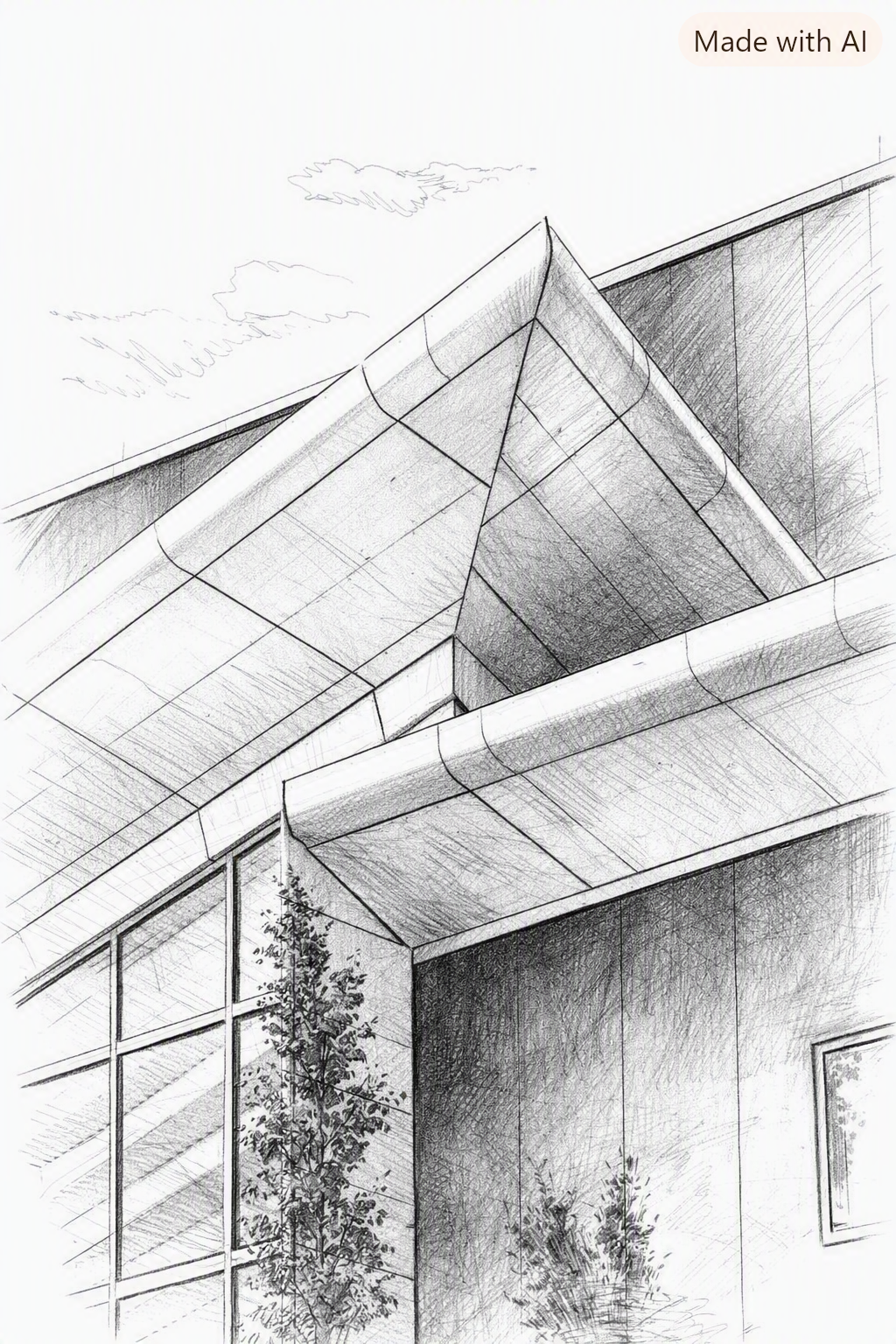
Architecture
Design that listens, interprets, and endures
Effective architectural practice begins with listening with intention, interpreting with clarity, and cultivating relationships built on trust. When clients feel understood, the design process becomes more intelligent, more efficient, and more transformative — client insight becomes a catalyst for innovation, and dialogue shapes the trajectory of a project from concept to completion.
Cybernetics frames buildings as interconnected systems governed by feedback, adaptation, and intelligent response. Human activity, mechanical systems, environmental forces, and spatial organization interact continuously. Designing with cybernetic awareness ensures that structures remain stable, efficient, and responsive under dynamic conditions — allowing architecture to behave as a living network capable of learning and adjusting over time.
Nature provides structural and organizational logic. Ecological patterns — branching, circulation, equilibrium — inform how built environments can be arranged to support movement, reduce friction, and enhance sustainability. This perspective guides site planning, landscape integration, material selection, and environmental performance, ensuring that buildings align with ecological rhythms and reinforce long-term balance.
Metaphysics introduces the pursuit of underlying order, purpose, and essence. Architecture can reveal the inherent logic of a place: why it exists, how it functions, and what role it plays within a larger system. The structure of language further shapes how architectural form organizes experience — the syntax of a building, its rhythm, transitions, and spatial vocabulary, influences how people move, work, and perceive their environment.
Together, these principles support architectural solutions that are operationally precise, environmentally attuned, and philosophically grounded. The firm's work seeks to create structures that behave intelligently, respond to human and mechanical systems, and express a quiet clarity — as though the architecture has discovered what it was meant to be.
Capabilities
- Programming & needs assessment
- Master planning & site strategy
- Conceptual & schematic design
- Design development & technical detailing
- Building code & regulatory compliance
- Interdisciplinary consultant coordination
- Construction documentation
- Bidding & procurement support
- Construction administration & closeout
- Post-occupancy evaluation
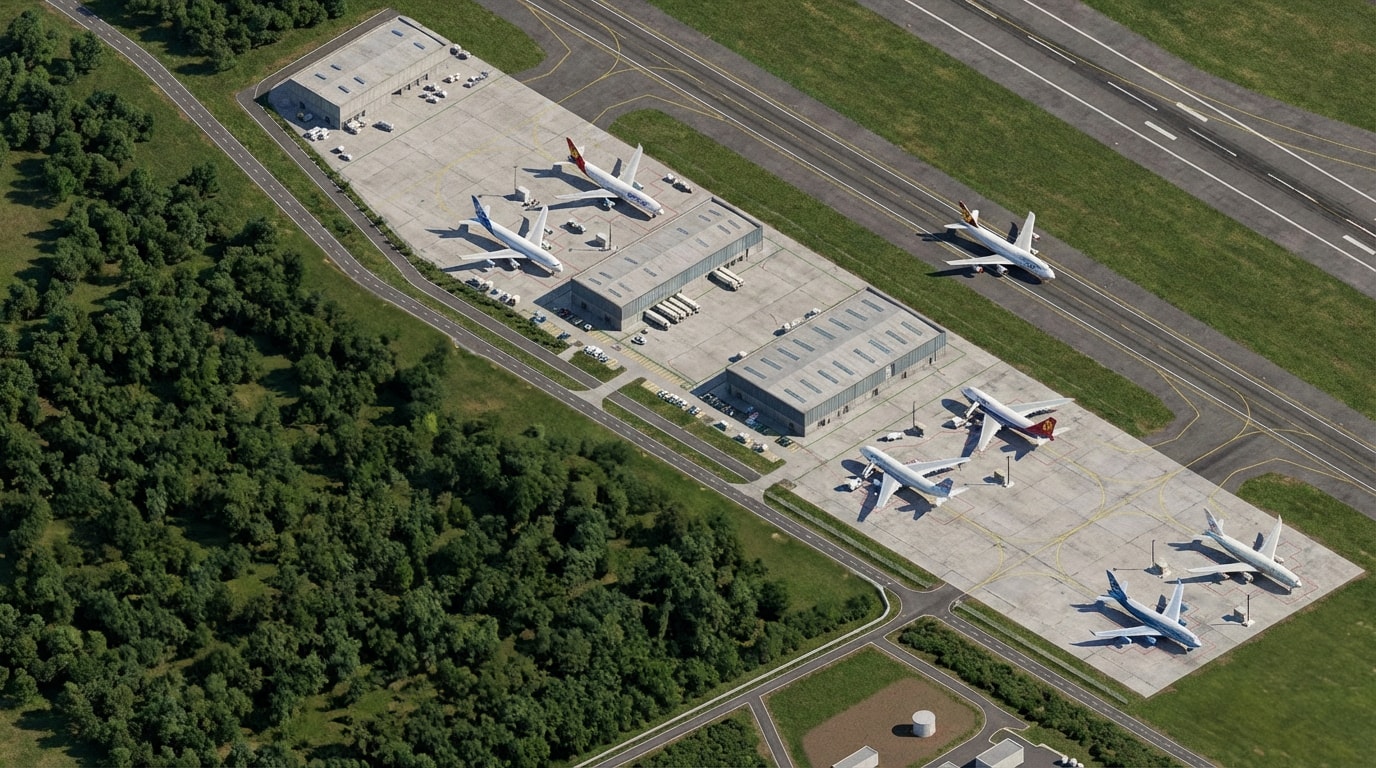
Airport planning
Navigating complexity, opportunity, and change across diverse airfield environments
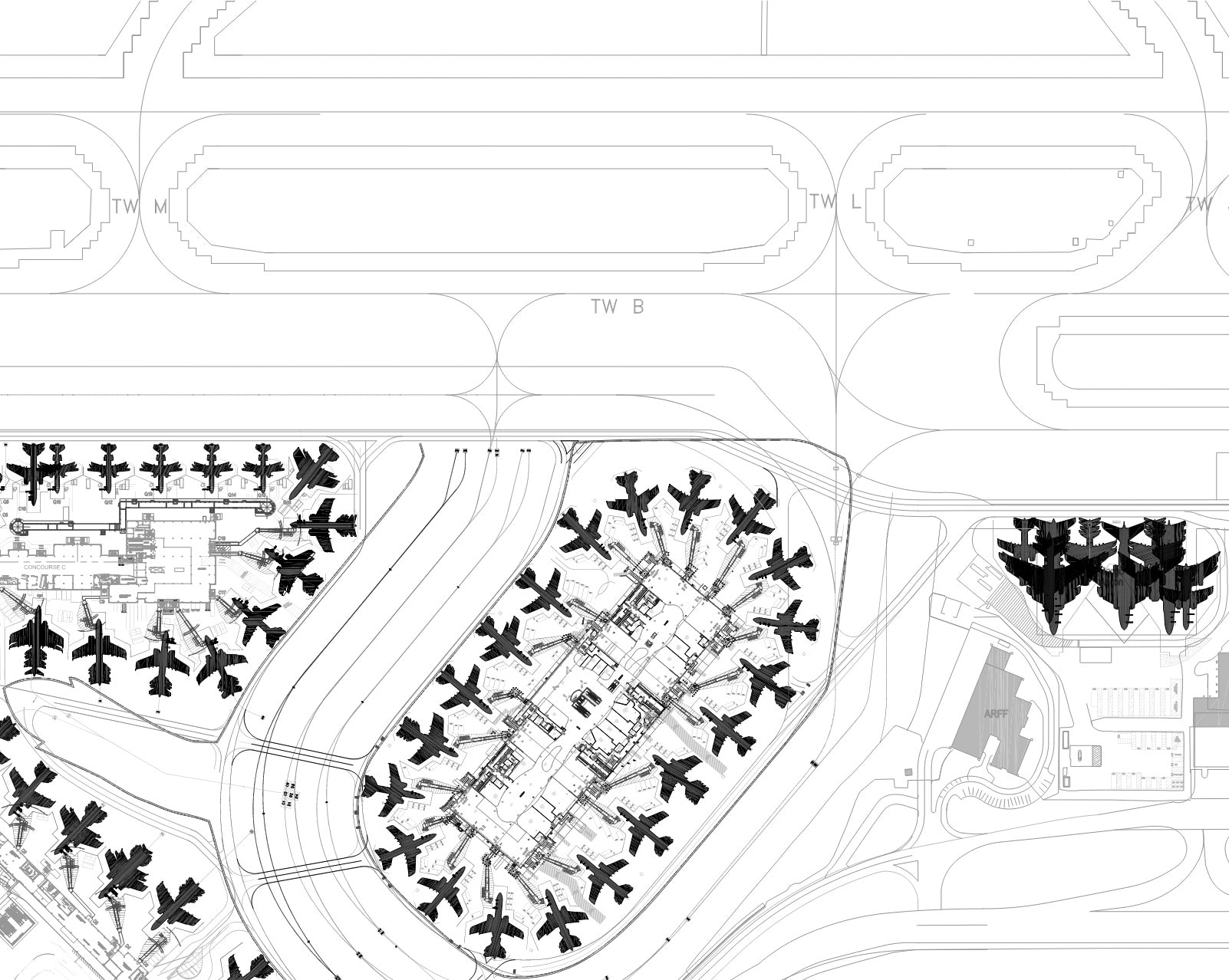
Airport planning is a discipline defined by complexity, shaped by geography, governed by regulation, and driven by the operational realities of each unique airfield. No two airports share the same combination of physical constraints, authority structures, environmental conditions, or regulatory obligations. Each location presents its own challenges — and its own opportunities — for growth, efficiency, and long-term resilience.
Every airport operates within a distinct framework of airport authorities, municipal governance, stakeholder groups, and community expectations. These entities bring different priorities, histories, and operational cultures, requiring planners to interpret context with precision and communicate strategy with clarity. The planning process becomes a negotiation between vision and constraint, ambition and feasibility, present needs and future potential.
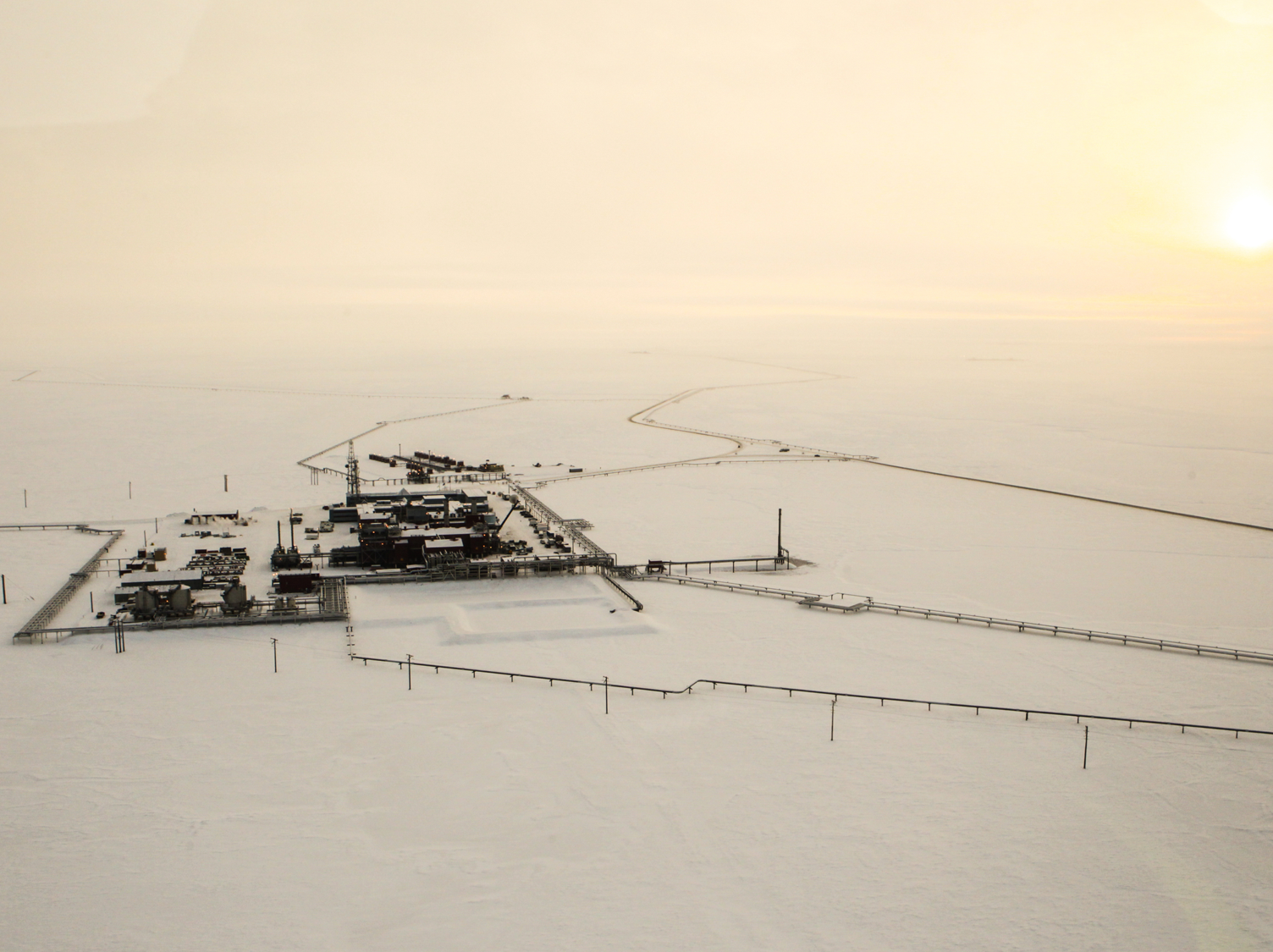
Geography further shapes the identity of each airfield. Mountainous terrain, coastal weather systems, seismic conditions, permafrost, wetlands, and wildlife habitats all influence how runways, taxiways, terminals, and support facilities can be arranged. Technical criteria — FAA design standards, airspace geometry, aircraft performance, and safety requirements — introduce another layer of complexity, requiring planners to interpret them through the lens of each airport's geometry, climate, and operational profile.
Cybernetics frames airports as dynamic systems governed by feedback, adaptation, and continuous interaction. Airfields behave like living networks — aircraft, vehicles, people, weather, and infrastructure influencing one another in real time. Nature provides organizational logic: ecological patterns of circulation, hierarchy, and equilibrium inform how airfields can be arranged to support movement, reduce friction, and enhance environmental resilience.
Airport planning is ultimately an act of synthesis. It requires the ability to interpret diverse inputs, reconcile competing priorities, and create environments that are safe, efficient, sustainable, and future-ready. Each airport presents a new landscape of challenges and opportunities — an invitation to craft solutions that respond to place, purpose, and possibility.
Capabilities
- Airport master planning
- FAA design standards & compliance
- Airspace geometry & obstruction analysis
- Runway, taxiway & apron planning
- Terminal & landside facility planning
- Wildlife & habitat management
- Stakeholder & authority coordination
- Land-use compatibility analysis
Environmental regulatory compliance
Integrated guidance for complex development & responsible stewardship
Our firm provides comprehensive environmental regulatory compliance services that support responsible development, protect natural resources, and ensure full alignment with federal, state, and local requirements. Each project is approached as a dynamic system — one shaped by environmental forces, regulatory frameworks, and the interconnected behaviors of land, water, materials, and people.
Our compliance methodology is grounded in systems thinking, drawing from principles of cybernetics, natural patterning, metaphysical clarity, and linguistic structure. Cybernetics frames environmental compliance as a network of feedback loops — regulations, site conditions, and project decisions continuously influencing one another — ensuring adaptive, responsive compliance strategies.
Nature provides the organizational logic for environmental stewardship. Ecological patterns guide how development interacts with wetlands, watersheds, air quality, and habitat systems, reinforcing resilience and long-term balance. Metaphysics informs the pursuit of underlying order and purpose — compliance is not treated as a checklist but as a structural truth of the project, revealing how the development fits within its environmental context and regulatory landscape.
Language and structure shape how regulatory requirements are interpreted and communicated. Clear syntax, precise terminology, and coherent narrative strengthen agency coordination, public engagement, and documentation quality. Through rigorous analysis, strategic coordination, and thoughtful integration of environmental principles, our firm ensures that development projects meet regulatory obligations while advancing sustainability, resilience, and long-term operational value.
Capabilities
- Building code compliance
- FAA environmental & land-use requirements
- NEPA environmental review
- LEED & sustainable design integration
- USACE permitting
- Wetland identification & mitigation
- Air & water quality compliance
- PFAS assessment & remediation strategy
Project development & capital investment
Empowering vision through strategic development and capital partnerships
Our firm operates at the intersection of finance, development, and design — guiding clients from the earliest concept through capital acquisition and into built reality. We connect visionary project developers with the resources, structure, and advisory support required to bring transformative ideas to life. Each engagement begins with a clear understanding of purpose, aligning financial strategy with the creative and operational goals of the development itself.
Our methodology is grounded in systems thinking — a principle derived from cybernetics, where feedback and adaptation drive continuous improvement. Each project is treated as a living network of relationships: capital, design, environment, and community. By understanding these interdependencies, we craft development and investment strategies that are resilient, responsive, and capable of evolving with market dynamics.
Nature informs our approach to growth and sustainability. Just as ecosystems thrive through balance and diversity, our strategies emphasize long-term stability, ethical investment, and environmental stewardship — from site selection and feasibility through delivery and performance.
Metaphysics shapes our pursuit of meaning and purpose in development. We believe that investment is not merely transactional — it is transformational, creating tangible value and intangible legacy. Every project we guide is an opportunity to build something that performs economically, resonates socially, and endures architecturally.
Language and structure influence how we communicate opportunity. The syntax of financial storytelling — clarity, rhythm, and precision — builds trust and inspires participation. Every proposal, presentation, and partnership is crafted to articulate vision with coherence and conviction.
Capabilities
- Capital sourcing
- Investment structuring
- Feasibility & market analysis
- Development advisory
- Stakeholder coordination
- Project planning & delivery
- Milestone & performance tracking